Albino Corydoras Care
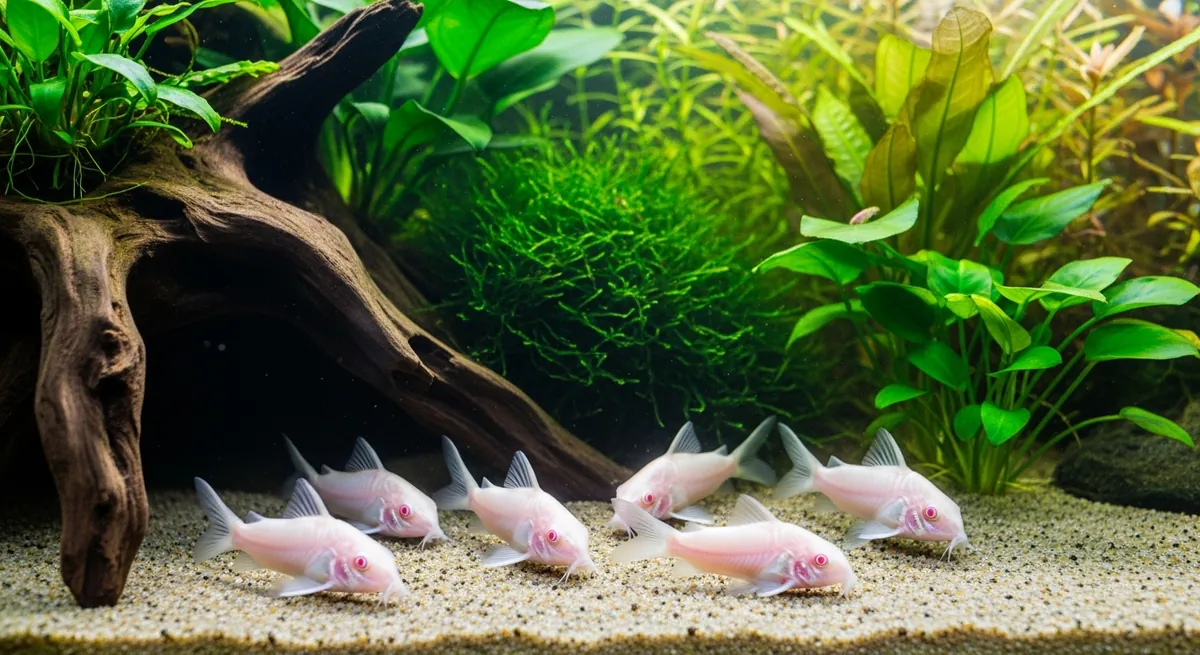
Short answer: The albino cory is not a species — it's an albino strain of the bronze corydoras (Corydoras aeneus). It needs the same care: a group of six or more on soft sand in a 20-gallon tank, not the 10-gallon often suggested. Across real tanks, keepers run a median of 3 in a 20-gallon.
Bronze corydoras at a glance
- Scientific name
- Corydoras aeneus
- Adult size
- ~3″
- Temperature
- 72–80°F
- pH
- 6–7.8
- Minimum tank
- 20 gal
- Temperament
- peaceful
- Social
- schooling — keep 6+
- Reference
- Wikipedia
The albino corydoras is not a species at all — it’s an albino strain of the bronze cory (Corydoras aeneus, now Osteogaster aenea)1, the most common cory in the hobby. A smaller number sold as “albino corys” are albino peppered corys (C. paleatus), but the bronze form dominates the trade.2 So “albino cory care” is really just bronze cory care.
A peaceful, bottom-dwelling shoaling catfish; keep a group of at least six on soft sand in a 20-gallon or larger tank.2
Albino corydoras at a glance
| Attribute | Authority (C. aeneus) | Real tanks (AquaGauge) |
|---|---|---|
| Adult size | ~7.5 cm (3 in)1 | — (full-size cory, not a dwarf) |
| Temperature | 72–80 °F (22–27 °C)2 | genus median 78 °F |
| pH | 6.0–7.82 | genus median 7.5 |
| Minimum group | 6+2 | median 3 in a 20-gal (8 of 19 tanks) |
| IUCN status | Least Concern1 | — |
The albino cory is *C. aeneus*, so authority figures are the bronze cory's. "Real tanks" = our albino stocking data (19 tanks) + genus-level corydoras water (median 78 °F / pH 7.5). Figures are from the July 2026 snapshot (6,414 tanks total).
The albino cory is a bronze cory
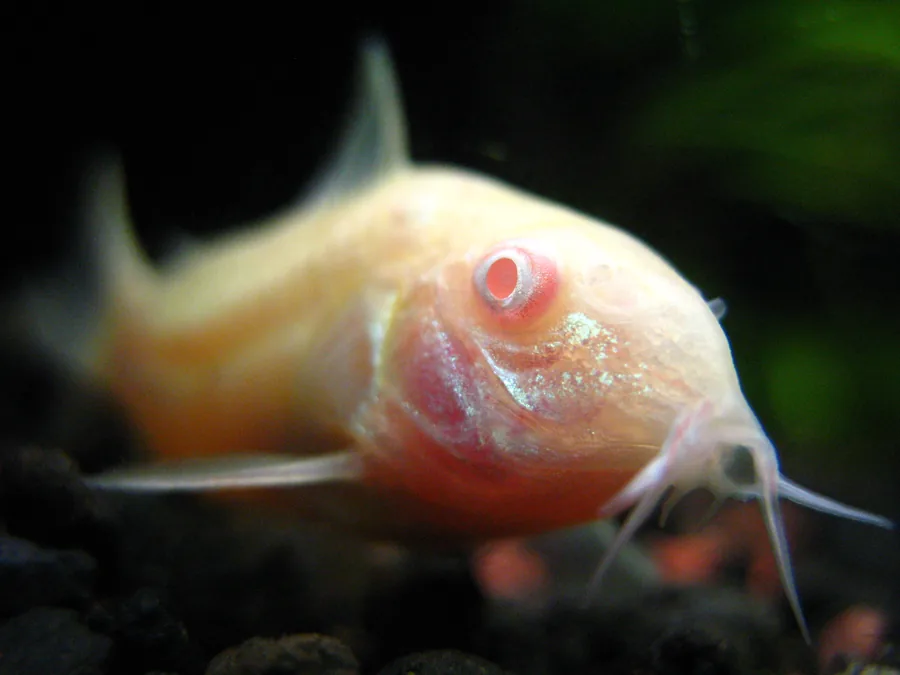
There is no “albino corydoras” species. The fish in every shop tank is an albino line of Corydoras aeneus — the same bronze cory, bred to drop its pigment, so it shows a pinkish-white body and red eyes.1 Occasionally the albino on sale is an albino peppered cory (C. paleatus) instead, but that is the exception. Either way, care is identical to the wild-type fish — everything on the bronze corydoras page applies here.
How many, and why not a 10-gallon
Because they are full-size bronze corys (about 3 inches), albino corys want a 20-gallon for a group of six — the common “albino corys are fine in a 10-gallon” advice is borrowed from dwarf species like the pygmy corydoras and does not apply. Across the 19 real albino tanks in the AquaGauge dataset that stated a size (July 2026 snapshot), the eight 11–20-gallon tanks run a median of 3 — below the recommended six, so treat that as a floor and build the group up. Plan the mix in the stocking calculator.
Water and substrate
Albino corys are as hardy and forgiving as any bronze: roughly 72-80 °F, pH 6.0-7.8.2 Use soft sand so they can sift for food without wearing down their barbels. One albino-specific note: they see a little less well and can be light-sensitive, so subdued lighting, some shade, and easy-to-find sinking food keep them confident — they locate food by smell and by sifting sand, not by sight.
Diet
Albino corys are omnivorous scavengers, not an algae crew. Feed a sinking pellet or wafer as the staple, plus frozen bloodworms, daphnia and brine shrimp.2 Make sure food reaches the bottom — in a busy community tank, scent-rich sinking food helps them find it.
Tankmates
Peaceful and indifferent to other fish, albino corys are one of the safest community bottom-dwellers, just like the wild-type bronze. They pair well with small tetras, rasboras, livebearers, shrimp and other corys; avoid anything large or aggressive enough to bully a 3-inch catfish. Check a specific combination in the stocking calculator.
Lifespan and breeding
Albino corys are exceptionally long-lived — like the bronze cory they are, keepers commonly report ten years and beyond with good care.
They are also one of the easiest corys to spawn, and the albino strain breeds true. Breeding follows the genus pattern: a large, cooler water change triggers spawning, the female deposits sticky eggs on the aquarium glass and fine-leaved plants, and they hatch in about three to four days.2 Once their yolk sacs are absorbed, the fry take microworm and baby brine shrimp over a thin layer of sand.2
Check your exact stocking
Add your fish below to see stocking %, filtration load and compatibility for your setup — live.
Planning a Bronze corydoras tank. We start with your bronze corydoras and filter the list to compatible tankmates — untick to see every species (incompatible ones get flagged).
Stocking — under 85% comfortable · 85–100% full · over 100% overstocked
Show the math
Gear for this setup
As an Amazon Associate AquaGauge earns from qualifying purchases. Some links below are affiliate links, at no extra cost to you. Current price and availability are shown on Amazon. Disclosure.
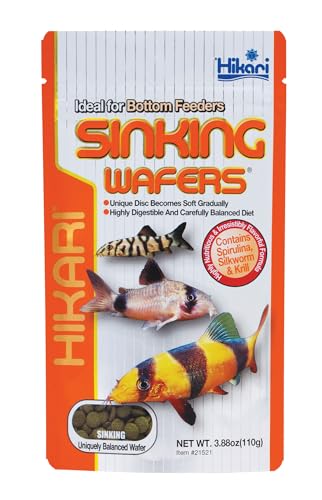 Hikari Sinking Wafers (3.88 oz)A scent-rich sinking staple albinos can locate easily; breaks apart slowly so the whole group grazes.Check price on Amazon →
 Aqua Natural Sugar White Sand (10 lb)Smooth, barbel-safe sand so corys can sift naturally without wearing down their barbels.Check price on Amazon →
 AQUANEAT Bio Sponge Filter (up to 20 gal)Gentle flow that won't blast bottom-dwellers off the sand, and safe for fry.Check price on Amazon →
FAQ
- Is the albino cory a separate species?
- No. The albino corydoras is an albino colour strain of the bronze cory (Corydoras aeneus). A smaller number are albino peppered corys (C. paleatus). Care is identical to the wild-type fish.
- Can albino corydoras live in a 10-gallon tank?
- Not really. Albino corys are full-size bronze corys (about 3 inches) and need a 20-gallon for a group of six. The '10-gallon' advice you see online applies to dwarf species like pygmy corydoras, not these.
- How many albino corydoras should I keep?
- At least six. They are shoaling catfish that forage confidently in a group. Across real tanks, keepers in a 20-gallon stock a median of only 3, which is on the low side.
- Do albino corydoras have poor eyesight?
- Albinos see a little less well and can be light-sensitive, but they find food by smell and by sifting sand with their barbels. Subdued lighting, cover, and sinking food they can locate keep them comfortable.
Sources
- Osteogaster aenea (Bronze Corydoras), FishBase. View source ↗
- Corydoras aeneus, Seriously Fish. View source ↗

Freshwater aquarist of 8+ years.